Knowing ROS2
Engineering Robots
Academia teaches components.
Industry demands systems
Not your fault.
It's all you were ever exposed to.
Here's what closes the gap
More Details
01
The Heading You Were Never Given
02
Skills Every Robotics Company Demands
03
Exposure No Classroom Can Give You
04
The Edge That Gets You Hired
Here's what closes the gap
16th May 2026
NEXT COHORT STARTS
Enroll Now
Knowing ROS2
Engineering Robots
Build the engineering maturity
that only comes from working on
systems that are actually deployed.
01
Guidance From Engineers Who've Shipped
02
Skills Every Robotics Company Demands
03
Exposure No Classroom Can Give You
04
The Edge That Gets You Hired
16th May 2026
NEXT COHORT STARTS
Enroll Now
More Details
Zero Background? Here's Your Head Start
Zero Background? Here's Your Head Start
T-MINUS 0
The 7-Day Robotics Launchpad
Whether you're starting fresh or have dabbled without direction — the first year of robotics is rarely efficient for anyone.
This guided build takes you from zero to a complete, working robotics project. You get there by aligning to the absolute essentials — equipped for all that comes next.
1 year of trial-and-error, collapsed into 7 focused days.
STANDALONE VALUE
₹ 8,000
T-MINUS 0
The 7-Day Robotics Launchpad
Whether you're starting fresh or have dabbled without direction, the first year of robotics is rarely efficient for anyone.
This guided build takes you from zero to a complete, working robotics project. You get there by aligning to the absolute essentials — equipped for all that comes next.
1 year of trial-and-error, collapsed into 7 focused days.
STANDALONE VALUE
₹ 8,000
T-MINUS 0
Robotics Software 101
Most people entering robotics don't struggle because they can't learn — they struggle because no one tells them what actually matters at the foundation level.
This is the definitive checklist of fundamentals that industry veterans consider non-negotiable — foundational topics that make everything else in robotics click.
The starting point most engineers wish they had.
STANDALONE VALUE
₹ 6,000
T-MINUS 0
Robotics Software 101
Most people entering robotics don't struggle because they can't learn — they struggle because no one tells them what actually matters at the foundation level.
This is the definitive checklist of fundamentals that industry veterans consider non-negotiable — foundational topics that make everything else in robotics click.
The starting point most engineers wish they had.
STANDALONE VALUE
₹ 6,000
Don't Collect Another Certificate. Build Actual Capability.
Don't Collect Another Certificate.
Build Actual Capability.
YOUR FOUNDATION
YOUR FOUNDATION
T+1: Weeks 1–2
Hardware-Aware Programming
Industry engineers don't write software that outsources performance to luck — they write software that understands the machine running it.
READ MORE
Start writing deterministic, high-performance code from day one.
STANDALONE VALUE
₹ 20,000
T+1: Weeks 1–2
Hardware-Aware Programming
Industry engineers don't write software that outsources performance to luck — they write software that understands the machine running it.
READ MORE
Start writing deterministic, high-performance code from day one.
STANDALONE VALUE
₹ 20,000
T+2: Weeks 3–4
The Real-Time Systems Playbook
Robotics isn't about programming isolated algorithms — it's about orchestrating systems that must communicate, respond, and recover, continuously, under pressure, in real time.
READ MORE
Stop treating the framework as a black box. Start owning what runs inside it.
STANDALONE VALUE
₹ 28,000
T+2: Weeks 3–4
The Real-Time Systems Playbook
Robotics isn't about programming isolated algorithms — it's about orchestrating systems that must communicate, respond, and recover, continuously, under pressure, in real time.
READ MORE
Stop treating the framework as a black box. Start owning what runs inside it.
STANDALONE VALUE
₹ 28,000
T+3: Weeks 5–6
OS, Networking, and the Art of Debugging
The robot runs on your code — but your code runs on an OS. Every sensor is a file descriptor. Every read is a syscall. Every device connection lives in a driver the OS manages.
READ MORE
Understanding this layer changes how reliably you build and debug robotics software.
STANDALONE VALUE
₹ 18,000
T+3: Weeks 5–6
OS, Networking, and the Art of Debugging
The robot runs on your code — but your code runs on an OS. Every sensor is a file descriptor. Every read is a syscall. Every device connection lives in a driver the OS manages.
READ MORE
Understanding this layer changes how reliably you build and debug robotics software.
STANDALONE VALUE
₹ 18,000
T+4: Weeks 7–8
Production-Grade Deployment
Writing good code is only half the job. The other half is getting it onto a machine you don't control — and knowing it will behave exactly the way it did when you tested it.
READ MORE
Your software isn't just code. It's code plus the environment that runs it. Own both.
STANDALONE VALUE
₹ 22,000
T+4: Weeks 7–8
Production-Grade Deployment
Writing good code is only half the job. The other half is getting it onto a machine you don't control — and knowing it will behave exactly the way it did when you tested it.
READ MORE
Your software isn't just code. It's code plus the environment that runs it. Own both.
STANDALONE VALUE
₹ 22,000
YOUR UNFAIR ADVANTAGE
YOUR UNFAIR ADVANTAGE
A1
The Industry Repository Vault
Most beginners write code that runs. Industry engineers write code that ships. The difference isn't skill — it's structure. This is the exact repo architecture used in real robotics deployments, handed to you as your starting scaffold. Build every project on this, and your code will look, feel, and function like it came from a professional team.
30+ production-grade repositories. Yours to reference, reuse, and build on for life.
STANDALONE VALUE
₹ 22,000
A1
The Industry Repository Vault
Most beginners write code that runs. Industry engineers write code that ships. The difference isn't skill — it's structure.
This is the exact repo architecture used in real robotics deployments, handed to you as your starting scaffold.
Build every project on this, and your code will look, feel, and function like it came from a professional team.
30+ production-grade repositories. Yours to reference, reuse, and build on for life.
STANDALONE VALUE
₹ 22,000
A2
Real Problems. Real Stakes. The Field Missions
Most robotics courses expose you to projects set in ideal conditions. The real field is brutal. It exposes every assumption you didn't know you were making. Our challenges are derived from scenarios that professional teams actually face — and they will expose exactly where your thinking breaks down. Fix that, and you become an invaluable engineer to any team.
Sharpen your skills on what actually matters. Nothing less.
STANDALONE VALUE
₹ 15,000
A2
Real Problems. Real Stakes. The Field Missions
Most robotics courses expose you to projects set in ideal conditions. The real field is brutal. It exposes every assumption you didn't know you were making.
Our challenges are derived from scenarios that professional teams actually face — and they will expose exactly where your thinking breaks down.
Fix that, and you become an invaluable engineer to any team.
Sharpen your skills on what actually matters. Nothing less.
STANDALONE VALUE
₹ 15,000
A3
Step Inside a Real Robot
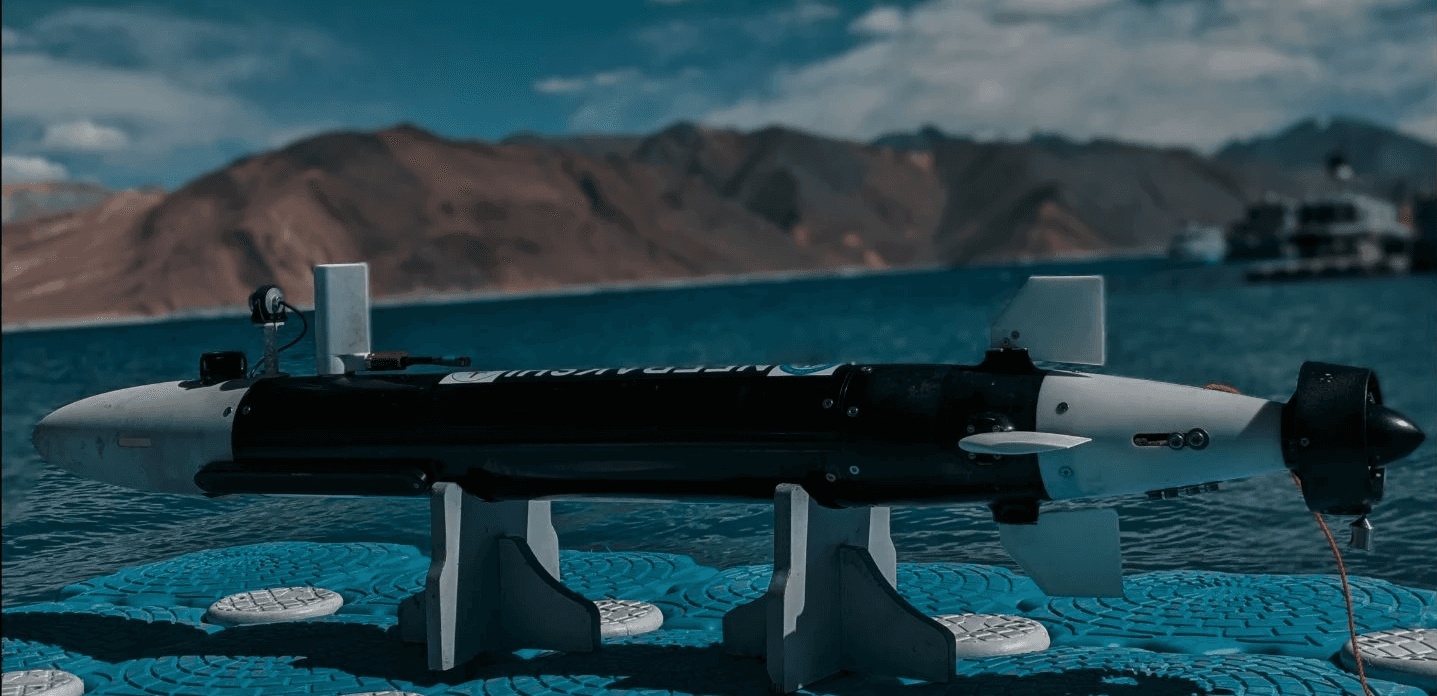
Most engineers retire without ever getting close to a defence-grade, mission-critical system. You will deploy your code on our autonomous underwater vehicle. Internalise how every component talks to everything else under real-world conditions — a system we built for actual missions, not for classrooms. You just get to step inside it.
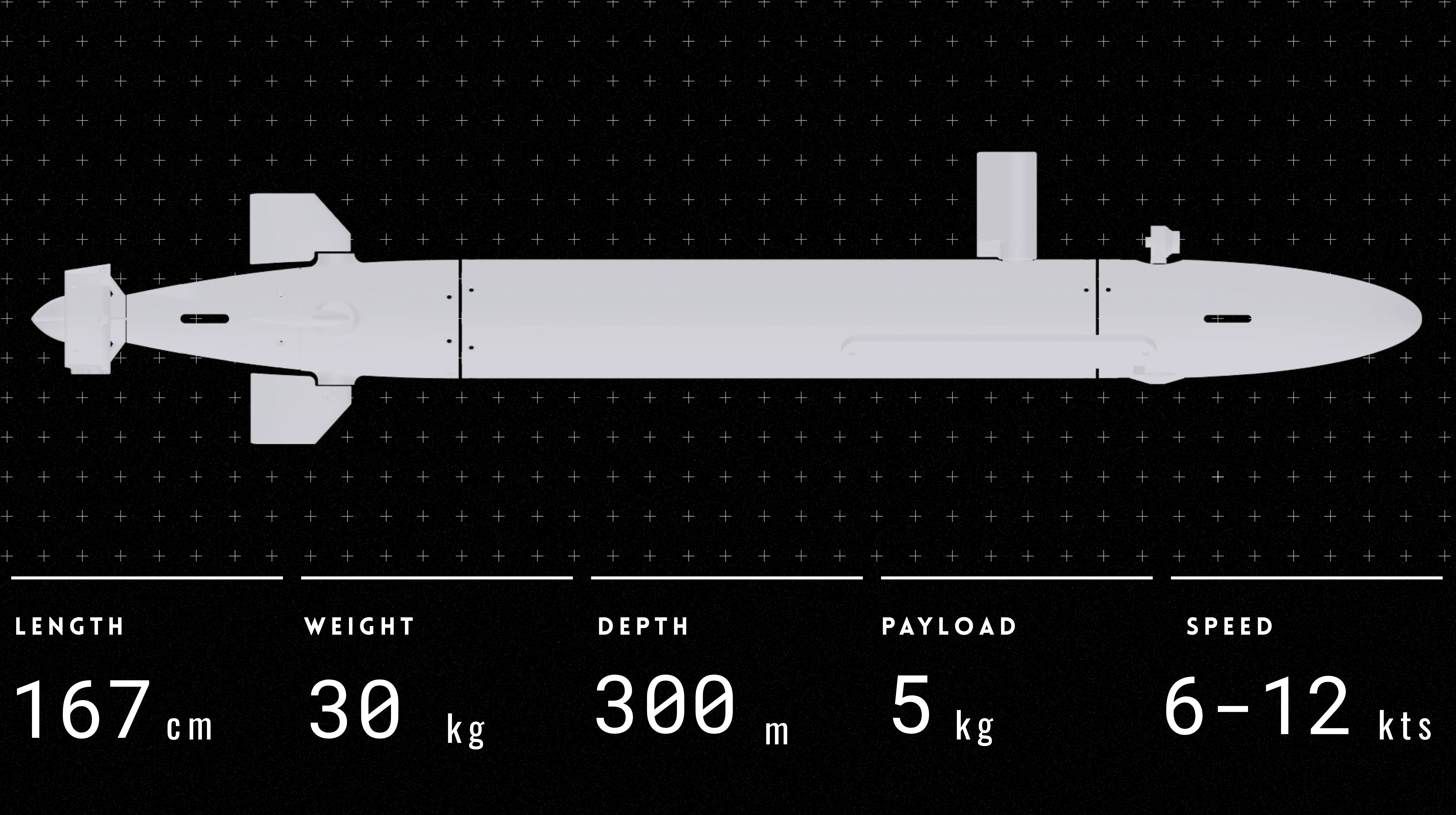
An exclusive learning experience reserved for the truly hungry ones.
STANDALONE VALUE
₹ 45,000
A3
Step Inside a Real Robot
Most engineers retire without ever getting close to a defence-grade, mission-critical system.
You will deploy your code on our autonomous underwater vehicle.
Internalise how every component talks to everything else under real-world conditions — a system we built for actual missions, not for classrooms. You just get to step inside it.
An exclusive learning experience reserved for the truly hungry ones.
STANDALONE VALUE
₹ 45,000
Walk Into Every Interview Knowing Exactly What Counts.
Walk Into Every Interview
Knowing Exactly What Counts.
T+16: Mission Ready
The Robotics Interview Protocol
Great work that can't be communicated is invisible. You get minutes, not hours, to make years of work count.
Fine-tuned for robotics software engineering interviews — this enables you to articulate the design decisions you made, the trade-offs you navigated, the constraints you worked within — with the precision and technical conviction that makes an interviewer lean in, not tune out.
Personal mentorship tailored to your level and goals
STANDALONE VALUE
₹ 10,000
T+16: Mission Ready
The Robotics Interview Protocol
Great work that can't be communicated is invisible. You get minutes, not hours, to make years of work count.
Fine-tuned for robotics software engineering interviews — this enables you to articulate the design decisions you made, the trade-offs you navigated, the constraints you worked within — with the precision and technical conviction that makes an interviewer lean in, not tune out.
Personal mentorship tailored to your level and goals
STANDALONE VALUE
₹ 10,000
T+16: Mission Ready
The Cross-Discipline Edge
Robotics teams are uniquely complex — mechanical, electrical, and software engineers all working together. A software engineer who can't communicate across disciplines is a liability regardless of how good their code is.
This module is exactly what sets you apart in an interview — giving you the ability to show up as an engineer ready for a high-impact robotics team — the mindset, the language, and the awareness to work across disciplines.
The best software engineer isn't always the best coder. It's the one who makes the whole team move faster.
STANDALONE VALUE
₹ 8,000
T+16: Mission Ready
The Cross-Discipline Edge
Robotics teams are uniquely complex — mechanical, electrical, and software engineers all working together.
A software engineer who can't communicate across disciplines is a liability regardless of how good their code is.
This module is exactly what sets you apart in an interview — giving you the ability to show up as an engineer ready for a high-impact robotics team — the mindset, the language, and the awareness to work across disciplines.
The best software engineer isn't always the best coder. It's the one who makes the whole team move faster.
STANDALONE VALUE
₹ 8,000
THE COMPLETE OFFER
Total Standalone Value
Total Standalone Value
₹ 2,02,000
₹ 2,02,000
Your Investment Today
Your Investment Today
₹ 49,800
₹ 49,800
You save ₹ 1,52,200
EARLY-BIRD
EVERYTHING INCLUDED
The 7-Day Robotics Launchpad
The 7-Day Robotics Launchpad
₹ 8,000
₹ 8,000
Robotics Software 101
Robotics Software 101
₹ 6,000
₹ 6,000
Hardware-Aware Programming
Hardware-Aware Programming
₹ 20,000
₹ 20,000
The Real-Time Systems Playbook
The Real-Time Systems Playbook
₹ 28,000
₹ 28,000
OS, Networking, and the Art of Debugging
OS, Networking, and the Art of Debugging
₹ 18,000
₹ 18,000
Production-Grade Deployment
Production-Grade Deployment
₹ 22,000
₹ 22,000
The Industry Repository Vault
The Industry Repository Vault
₹ 22,000
₹ 22,000
Real Problems. Real Stakes. The Field Missions
Real Problems. Real Stakes. The Field Missions
₹ 15,000
₹ 15,000
Step Inside a Real Robot
Step Inside a Real Robot
₹ 45,000
₹ 45,000
The Robotics Interview Protocol
The Robotics Interview Protocol
₹ 10,000
₹ 10,000
The Cross-Discipline Edge
The Cross-Discipline Edge
₹ 8,000
₹ 8,000
BONUS
BONUS
Direct referrals to our hiring partners — for those who prove they've earned it.
Direct referrals to our hiring partners, for those who prove they've earned it.
APPLY FOR THE COHORT
APPLY FOR THE COHORT
Only 25 Seats
Only 25 Seats
*
*
we take your transformation seriously
we take your transformation seriously
YOUR MENTORS
YOUR MENTORS
THE PEOPLE BEHIND HYPERHORIZON
THE PEOPLE BEHIND HYPERHORIZON
Learn from actual implementors, who've built subsea autonomy for national security missions
Learn from actual implementors, who've built subsea autonomy for national security missions
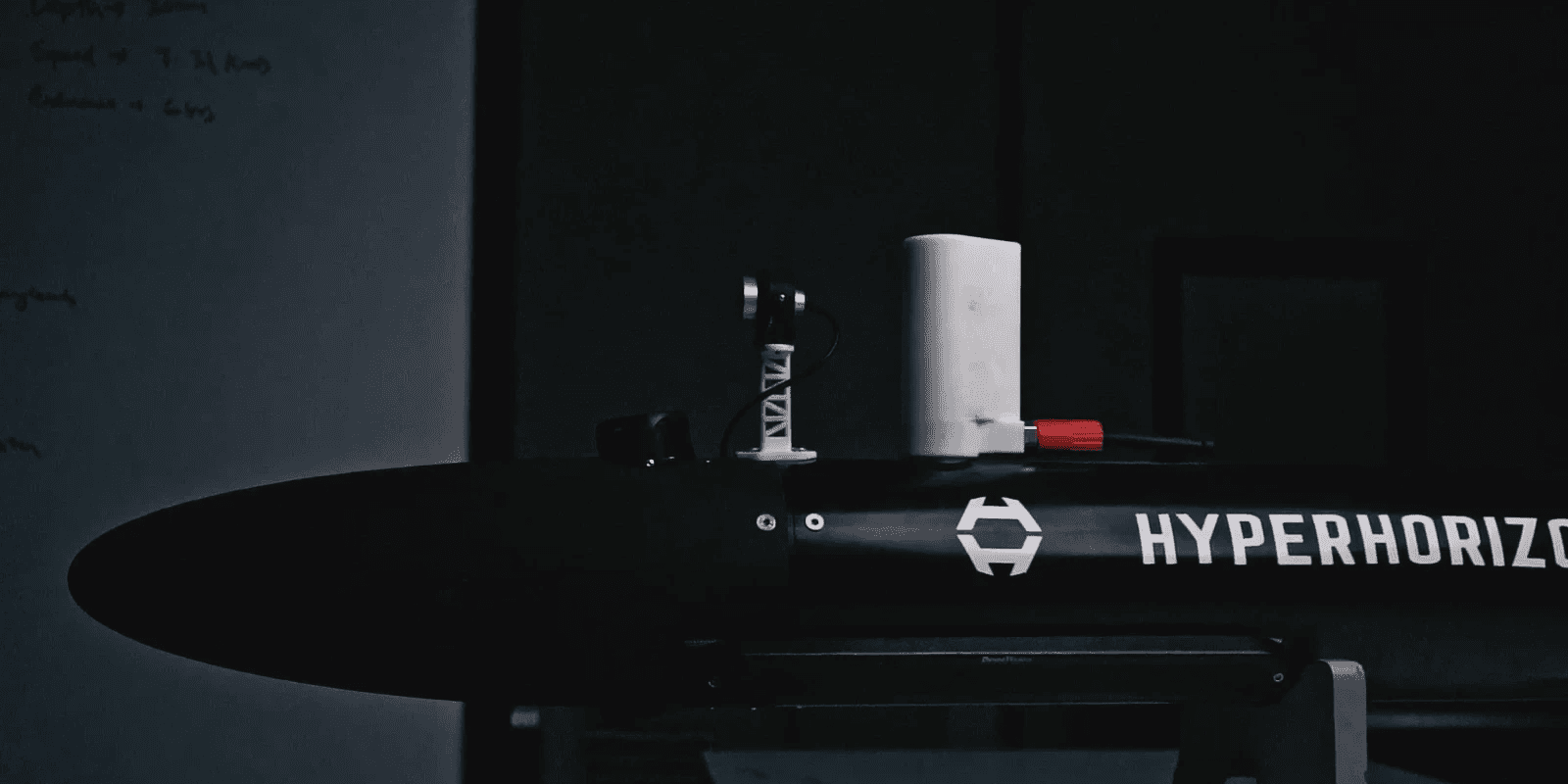


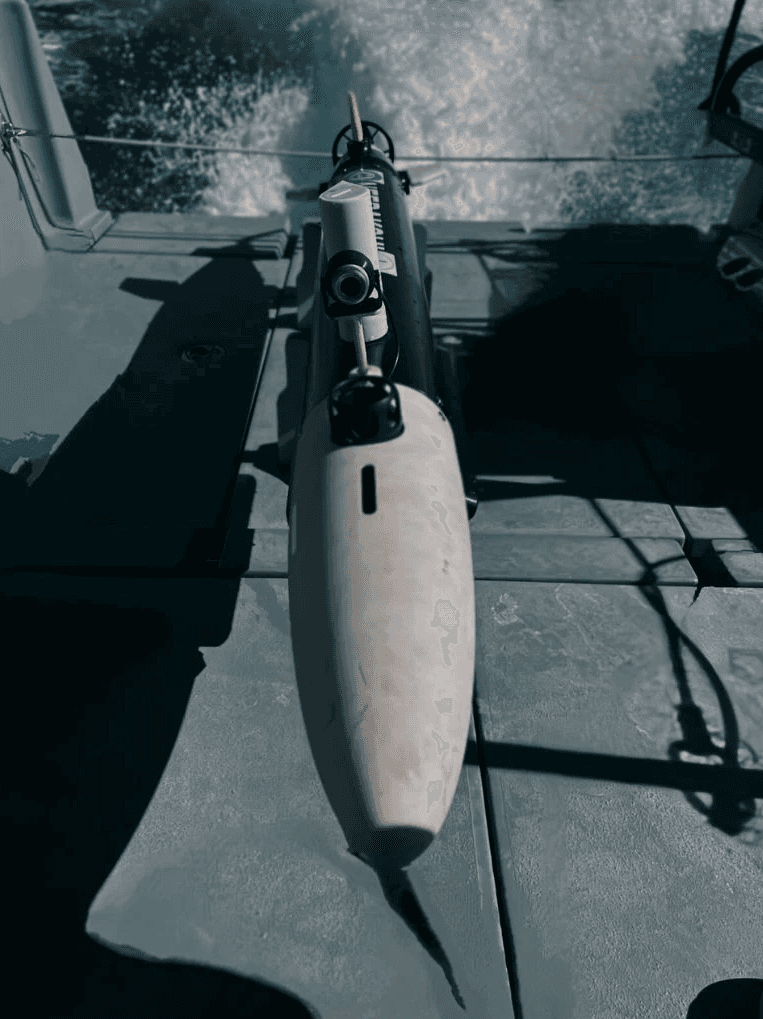
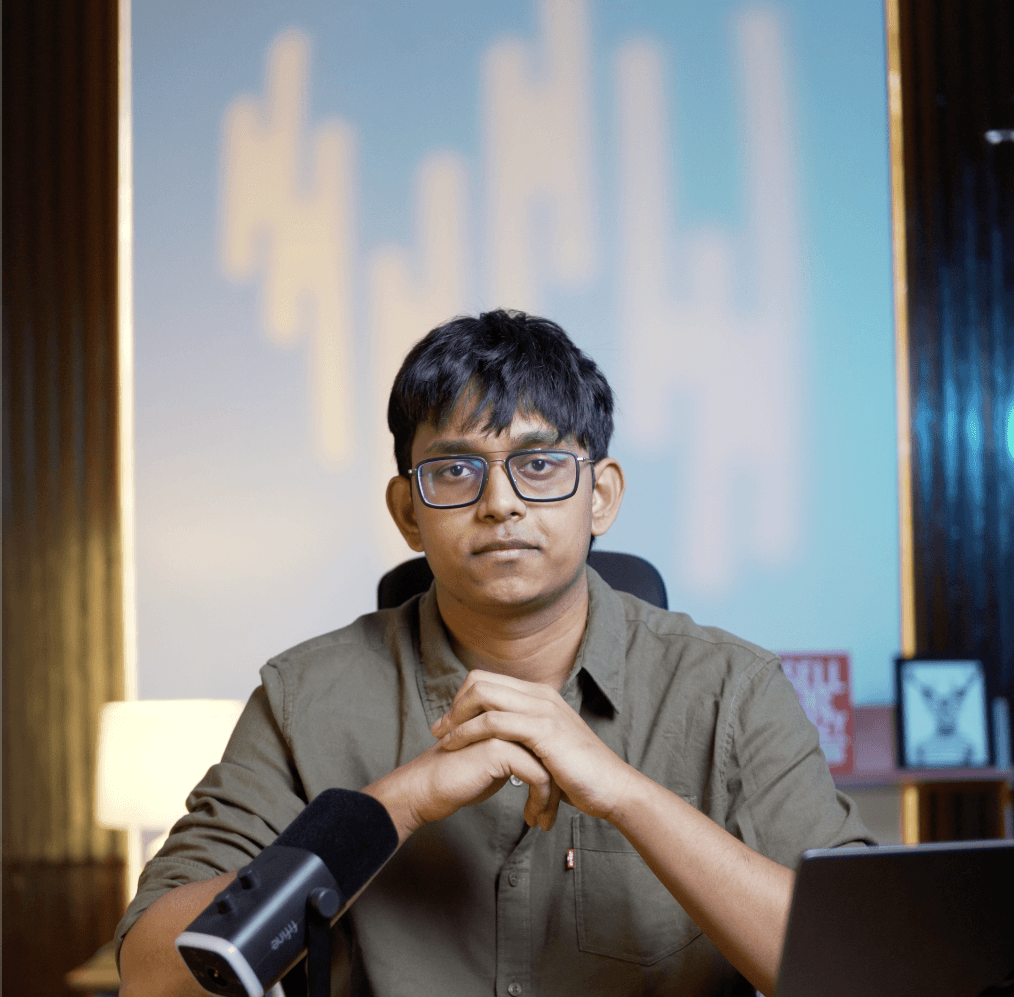
Sibi
Sibi
Co-Founder, HyperHorizon
Co-Founder, HyperHorizon
Built & deployed mission-critical autonomous systems
Built & deployed mission-critical autonomous systems


Nilanjan
Nilanjan
Robotics Software Engineer
Robotics Software Engineer
Built production software stack for real robotic systems
Built production software stack for real robotic systems
FAQ
FAQ
STILL WONDERING IF THIS IS FOR YOU?
STILL WONDERING IF THIS IS FOR YOU?
Everything you need to know about the course and payments
Everything you need to know about the course and payments
Why Choose HyperHorizon
How is this different from ROS nanodegree courses?
Who is the ideal candidate for this cohort?
What type of projects will I work on during the cohort?
Will I receive a certification upon completing the course?
How does this cohort prepare me for the current job market?
How is this different from ROS nanodegree courses?
Who is the ideal candidate for this cohort?
What type of projects will I work on during the cohort?
Will I receive a certification upon completing the course?
How does this cohort prepare me for the current job market?
Why Choose HyperHorizon